
Comparative Sovereign Debt & Fiscal Exposure

Raw leverage ratios provide an incomplete picture of national solvency. This analytical project examines borrowing mechanics, currency denominations, central bank absorption, and refinancing vulnerabilities across distinct sovereign systems.

5 Economic Regimes Examined
r − g Core Solvency Differential
100% Structural Perspective
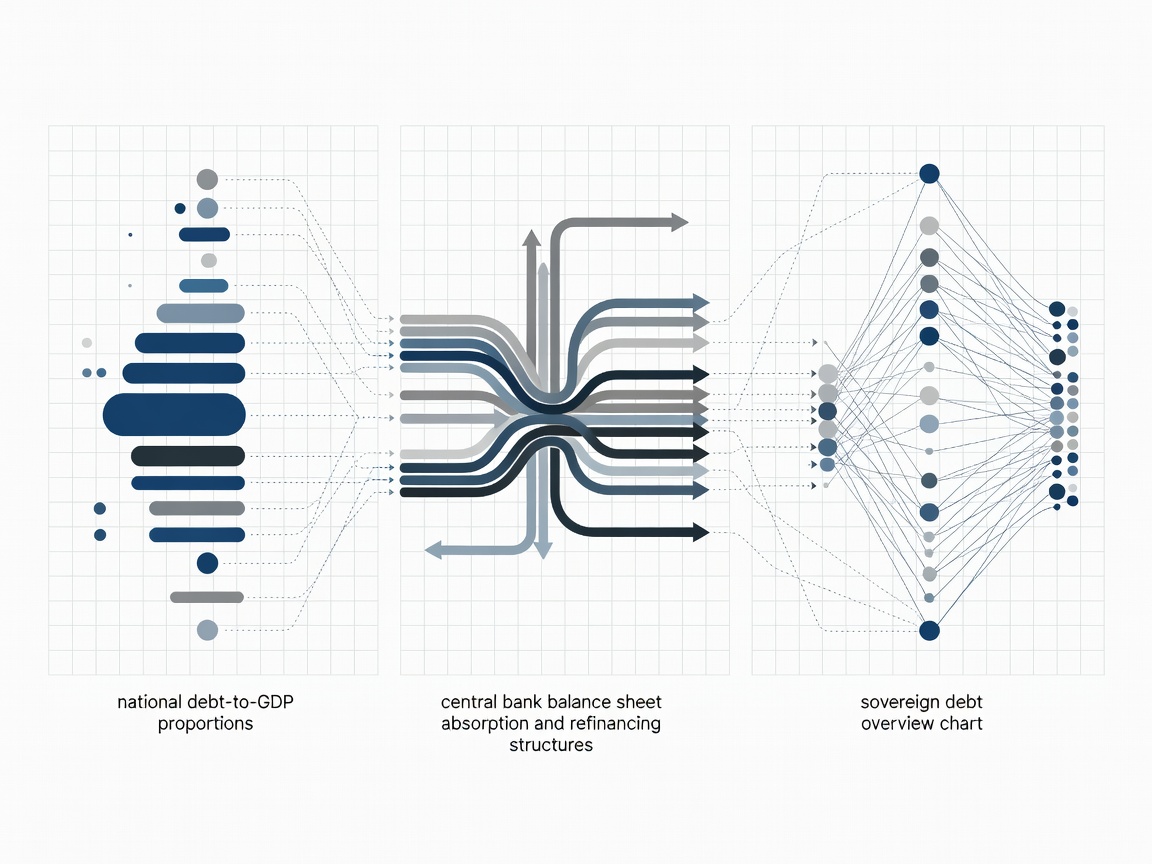
Analytical schematic depicting national debt-to-GDP proportions alongside central bank balance sheet absorption and refinancing structures
Macroeconomic debt comparison: mapping national debt burdens against reserve currency standing and domestic savings cushions.

National Debt Case Studies

Financial district buildings in Tokyo representing Japanese sovereign debt markets and domestic bond absorption
01

Japan: The Domestic Ownership Paradox

Japan maintains the developed world's highest gross debt-to-GDP ratio, yet sovereign bond yields remain subdued and credit default risk remains negligible. We dissect the role of domestic private savings, the Bank of Japan's balance sheet, and persistent current account surpluses.


Read Japan Analysis →
Federal reserve and treasury architectural perspective signifying global reserve currency privilege and treasury bill depth
02

United States: Exorbitant Privilege & Refinancing Load

As the issuer of the world's primary reserve asset, the United States commands unprecedented foreign capital inflows. However, statutory debt ceiling disputes and rapid shifts in debt servicing outlays test the long-run resilience of Treasuries.

Read US Analysis →
European central banking headquarters representing fragmented sovereign bond spreads across euro area members
03

Eurozone: Common Currency Without Fiscal Union

Member states issue debt denominated in a currency they cannot unilaterally print. We analyze how divergence between northern surpluses and southern refinancing costs challenges Maastricht rules and relies on European Central Bank market intervention mechanisms.

Read Eurozone Analysis →
Container shipping and trade hub highlighting emerging market foreign currency liabilities and external debt exposure
04

Emerging Markets: Foreign Currency Exposure & Rollover Shocks

Developing economies frequently face distress at debt ratios far lower than developed nations. This review investigates 'original sin' borrowing in hard currencies, commodity terms-of-trade shifts, and the mechanics of international creditor workouts.

Read Emerging Markets Analysis →
Mathematical fiscal model schematic demonstrating growth rate minus interest rate sustainability equations
05

Debt Mechanics: The r − g Differential & Primary Balance

The underlying mathematics of sovereign solvency hinges on the gap between nominal interest rates and economic growth. We evaluate primary surplus necessities, inflation-driven debt erosion, and why maturity profile structures alter default probabilities.

Read Mechanics Analysis →

Currency Sovereignty

Nations borrowing in their own sovereign floating currencies cannot experience involuntary domestic default, shifting the risk profile from insolvency to domestic currency devaluation and inflation pass-through.

Investor Base Composition

The share of sovereign debt held by domestic institutions versus international private capital dictate capital flight volatility. External liabilities make sovereign issuers vulnerable to global liquidity retrenchment.

Maturity Profiles

Short weighted-average maturities force governments into continuous refinancing, rendering fiscal budgets hyper-sensitive to central bank monetary policy tightening, whereas long-dated bonds cushion immediate rollover pressure.